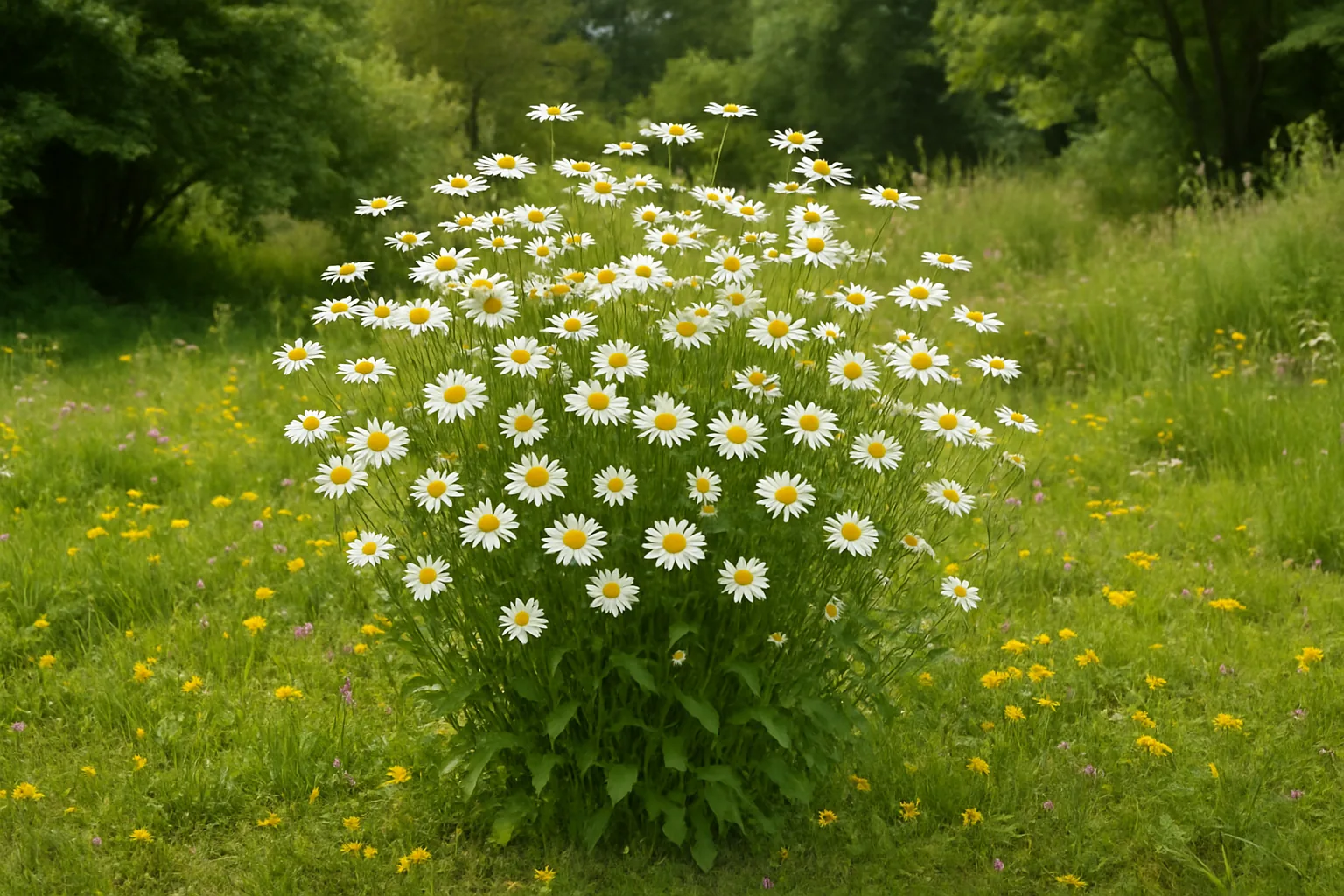
A wildflower meadow is a diverse mix of native wildflowers, known for vibrant blooms and ecological benefits, attracting pollinators like bees and butterflies.
Overview
A wildflower meadow features a variety of native wildflowers, scientifically referred to as a mix of species depending on region. These meadows are primarily grown for their aesthetic appeal and their role in supporting biodiversity by attracting pollinators such as bees and butterflies. They are a sustainable gardening choice due to their low maintenance requirements and ecological benefits.
Quick Care Facts
| Sun Needs | Soil Type | Watering Needs | Mature Size | Bloom Time | Hardiness Zone | Indoor/Outdoor |
|---|---|---|---|---|---|---|
| Full Sun | Well-drained | Low | 0.3–0.8 m | Spring-Summer | 3–9 | Outdoor |
Growing Instructions
- When and Where to Plant: Sow seeds in early spring or autumn directly onto prepared soil in a sunny location.
- How to Plant: Clear the area of weeds and loosen the soil. Scatter seeds evenly and press them lightly into the soil without covering them.
- Spacing: Aim for a natural spread; no precise spacing is needed.
- Watering: Water lightly until established, then reduce frequency as wildflowers are drought-tolerant.
- Fertilizing: Generally not required; wildflowers thrive in low-nutrient soil.
- Pruning and Seasonal Care: Mow the meadow in late autumn to remove dead growth and encourage new growth in spring.
Problems & Solutions
- Yellow Leaves: Often due to poor drainage. Improve soil drainage or reduce watering.
- Pests: Attracts beneficial insects that control pests naturally. Use organic pest control if necessary.
- Diseases: Ensure good air circulation by avoiding overcrowding.
- Wilting: Usually a sign of overwatering or poor drainage. Allow soil to dry between waterings.
- No Flowers: May result from too much shade or poor soil. Ensure full sun and improve soil quality.
- Root Rot: Caused by overwatering. Ensure well-drained soil and reduce watering.