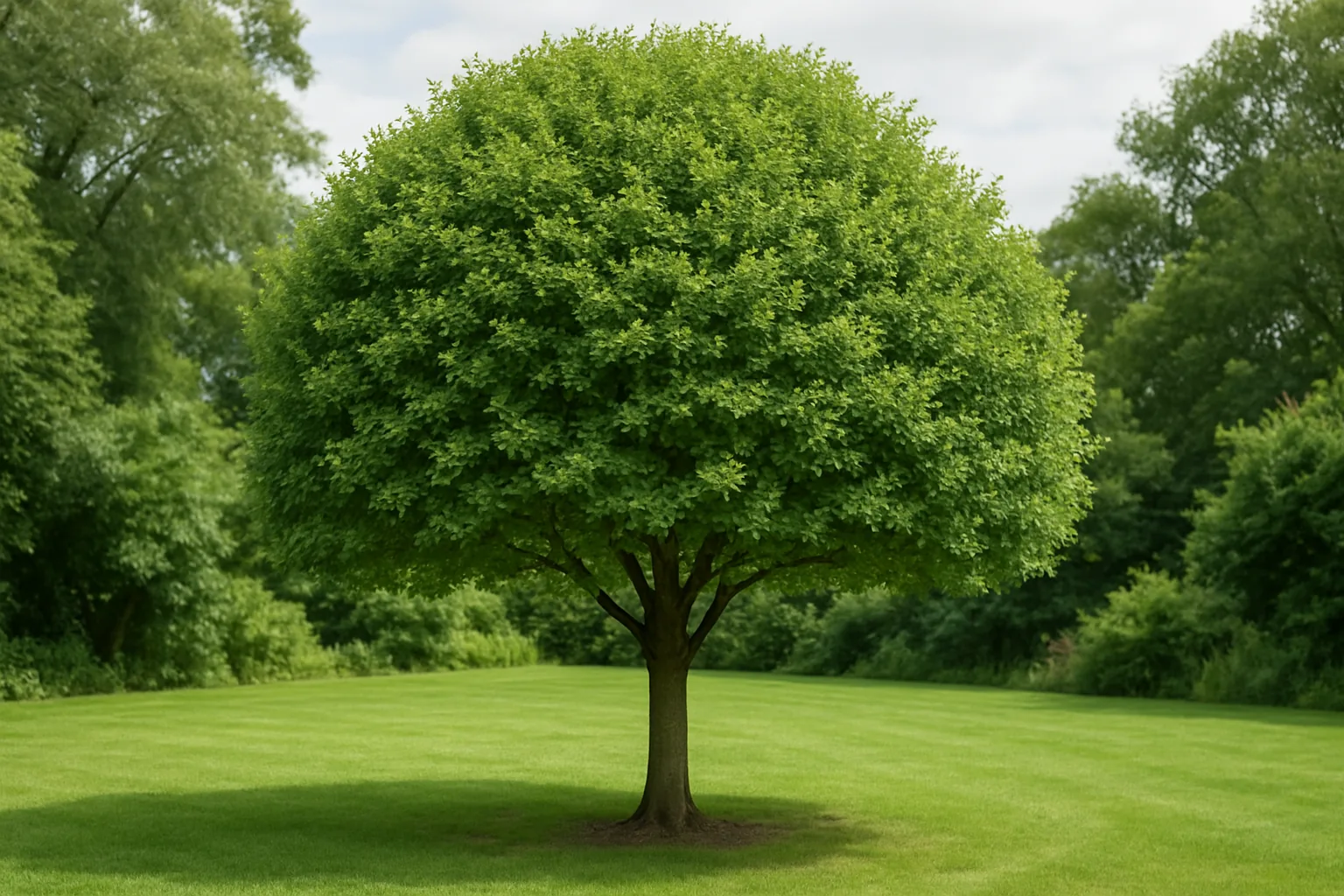
Lawn turf, or grass sod, provides a quick way to establish a lush, green lawn. It's favored for its instant results compared to traditional seeding.
Overview
Lawn turf, commonly known as grass sod, is a groundcover used to quickly establish lawns. The botanical name varies by species, such as *Festuca* (fescue) or *Poa pratensis* (Kentucky bluegrass). Gardeners choose lawn turf for its ability to create a uniform, green landscape with minimal wait time.
Quick Care Facts
| Sun Needs | Soil Type | Watering Needs | Mature Size | Bloom/Harvest Time | Hardiness Zone | Indoor/Outdoor |
|---|---|---|---|---|---|---|
| Full sun | Well-drained | High | Groundcover | N/A | 3–9 | Outdoor |
Growing Instructions
- When to Plant: Plant lawn turf in early spring or early autumn when temperatures are moderate.
- Where to Plant: Choose a location with full sun exposure and well-drained soil.
- How to Plant: Prepare the soil by removing weeds and loosening the top 15 cm. Lay the turf in staggered rows, ensuring snug edges.
- Spacing: Roll out turf pieces tightly together to avoid gaps.
- Watering: Water immediately after installation and keep consistently moist for the first few weeks.
- Fertilizing: Apply a balanced fertilizer in spring and autumn to promote growth.
- Pruning: Regular mowing is essential to maintain height and health.
- Seasonal Care: In winter, reduce watering but avoid letting the turf dry out completely.
Problems & Solutions
- Yellow Leaves: Often caused by overwatering or poor drainage. Improve drainage and reduce watering.
- Pests: Common pests include grubs and chinch bugs. Use appropriate pest control measures.
- Diseases: Fungal diseases may occur in humid conditions. Apply fungicides as needed and improve air circulation.
- Wilting: Ensure consistent watering, especially during dry spells.
- No Flowers: Turf grass does not flower; ensure proper care for lush growth.
- Root Rot: Usually due to waterlogged soil. Enhance soil drainage and reduce watering frequency.