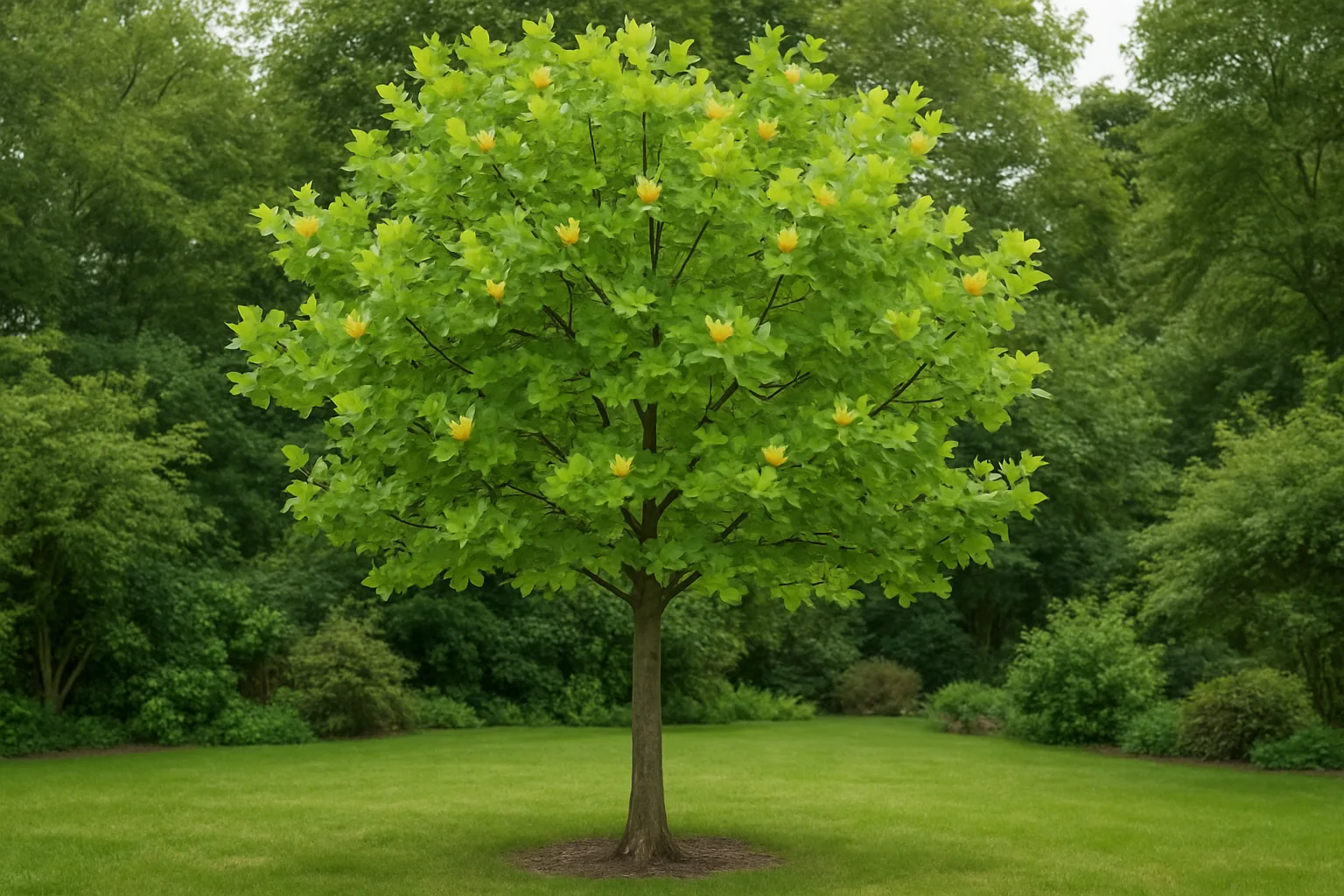
Tulips are vibrant, easy-to-grow perennial bulbs, loved for their stunning spring blooms and variety of shapes and colors.
Overview
Common Name: Tulip
Botanical Name: *Tulipa*
Plant Type: Perennial bulb
Main Features: Vibrant colors, cup-shaped flowers, variety of shapes
Why Grow It: Tulips are cherished for their stunning spring blooms and are easy to cultivate, making them a favorite among gardeners.
Quick Care Facts
| Requirement | Details |
|---|---|
| Sun Needs | Full sun |
| Soil Type | Well-drained, sandy |
| Watering Needs | Medium |
| Mature Size | 0.3–0.5 m |
| Bloom Time | Spring |
| Hardiness Zone | 3–8 |
| Indoor/Outdoor | Outdoor |
Growing Instructions
- When and Where to Plant: Plant tulip bulbs in autumn, 15-20 cm deep, in a location with full sun exposure.
- How to Plant: Ensure the pointed end of the bulb faces upwards. Space bulbs about 10 cm apart.
- Watering: Water thoroughly after planting. Maintain moderate moisture during growth, but avoid waterlogging.
- Fertilizing: Apply a balanced fertilizer in early spring as growth starts.
- Pruning: Remove spent flowers to prevent seed formation and encourage bulb growth.
- Seasonal Care: Allow foliage to die back naturally after blooming to nourish the bulb for next year.
Problems & Solutions
- Yellow Leaves: Often due to overwatering or poor drainage. Improve soil drainage and reduce watering.
- Pests: Aphids and slugs can be controlled with insecticidal soap or slug pellets.
- Diseases: Fungal diseases like Botrytis can be prevented by ensuring good air circulation and avoiding overhead watering.
- Wilting: Usually caused by lack of water or root rot. Ensure consistent watering and good drainage.
- No Flowers: May result from overcrowding or insufficient nutrients. Divide crowded bulbs and fertilize appropriately.
- Root Rot: Prevent by planting in well-drained soil and avoiding excessive watering.
Häufig gestellte Fragen
1. Wann pflanze ich Tulpen?
Tulpen sollten im Herbst gepflanzt werden, damit sie im Frühjahr blühen können.
2. Wie tief sollten Tulpenzwiebeln gepflanzt werden?
Pflanzen Sie die Zwiebeln 15-20 cm tief mit der Spitze nach oben.
3. Welche Pflege benötigen Tulpen nach der Blüte?
Lassen Sie das Laub natürlich absterben, um die Zwiebel für das nächste Jahr zu stärken.
4. Warum blühen meine Tulpen nicht?
Mögliche Ursachen sind Überbelegung oder Nährstoffmangel; teilen Sie die Zwiebeln und düngen Sie.
5. Wie verhindere ich Schädlinge auf meinen Tulpen?
Verwenden Sie Insektizidseife oder Schneckenkorn, um Schädlinge wie Blattläuse und Schnecken zu bekämpfen.
6. Was tun bei gelben Blättern?
Dies kann auf Überbewässerung zurückzuführen sein. Verbessern Sie die Drainage und reduzieren Sie die Bewässerung.