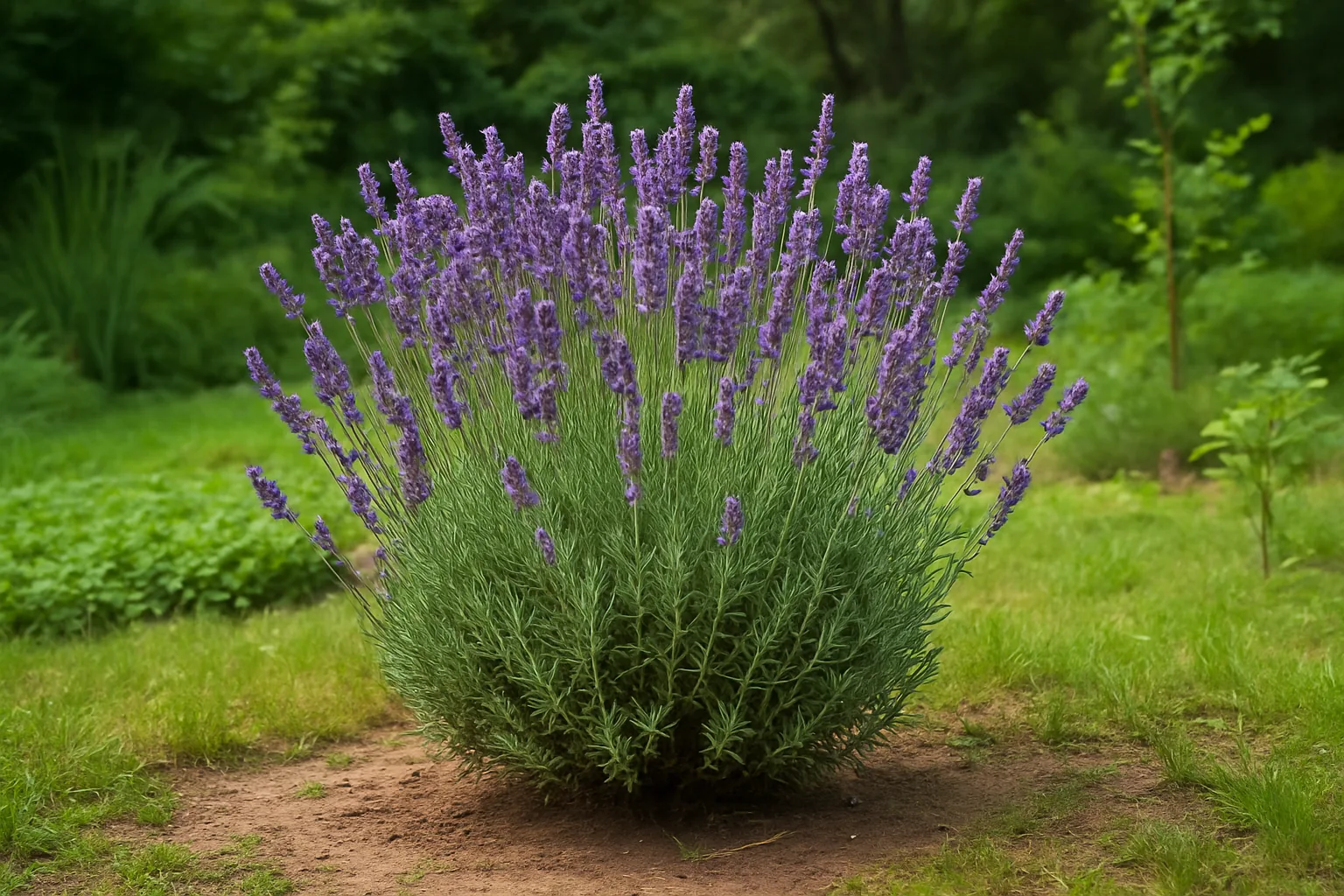
Lavender, scientifically known as Lavandula, is a perennial plant cherished for its fragrant purple flowers and silvery-green foliage. Gardeners often grow lavender for its beauty, drought tolerance, and its ability to attract pollinators such as bees and butterflies.
Overview
Lavender, with its botanical name Lavandula, is a perennial plant. Known for its aromatic purple flowers and silvery-green foliage, it is popular among gardeners for its aesthetic appeal, drought resistance, and attraction of pollinators like bees and butterflies.
Quick Care Facts
| Sun Needs | Soil Type | Watering Needs | Mature Size | Bloom/Harvest Time | Hardiness Zone | Indoor/Outdoor/Both |
|---|---|---|---|---|---|---|
| Full sun | Well-drained, sandy | Low | 0.5–0.7 m | Summer | 5–9 | Outdoor |
Growing Instructions
- When and Where to Plant: Plant lavender in spring after the last frost. Choose a sunny location with well-drained, sandy soil.
- How to Plant: Dig a hole twice as wide as the root ball, place the plant, and backfill with soil. Ensure the crown is slightly above soil level.
- Spacing: Space plants 30–45 cm apart to allow for adequate air circulation.
- Watering: Water young plants regularly until established. Once mature, water sparingly, allowing the soil to dry out between waterings.
- Fertilizing: Apply a low-nitrogen fertilizer in spring to encourage blooms.
- Pruning: Prune annually after flowering to maintain shape and promote new growth.
- Seasonal Care: In colder regions, mulch around the base in winter to protect roots.
Problems & Solutions
- Yellow Leaves: Often due to overwatering. Allow soil to dry out and ensure proper drainage.
- Pests: Aphids and spider mites can be controlled with insecticidal soap or neem oil.
- Diseases: Fungal issues like root rot occur in poorly drained soil. Improve drainage and reduce watering.
- Wilting: May indicate root rot or water stress. Check soil moisture and ensure proper drainage.
- No Flowers: Insufficient sunlight or over-fertilization can prevent blooms. Ensure full sun and avoid high-nitrogen fertilizers.