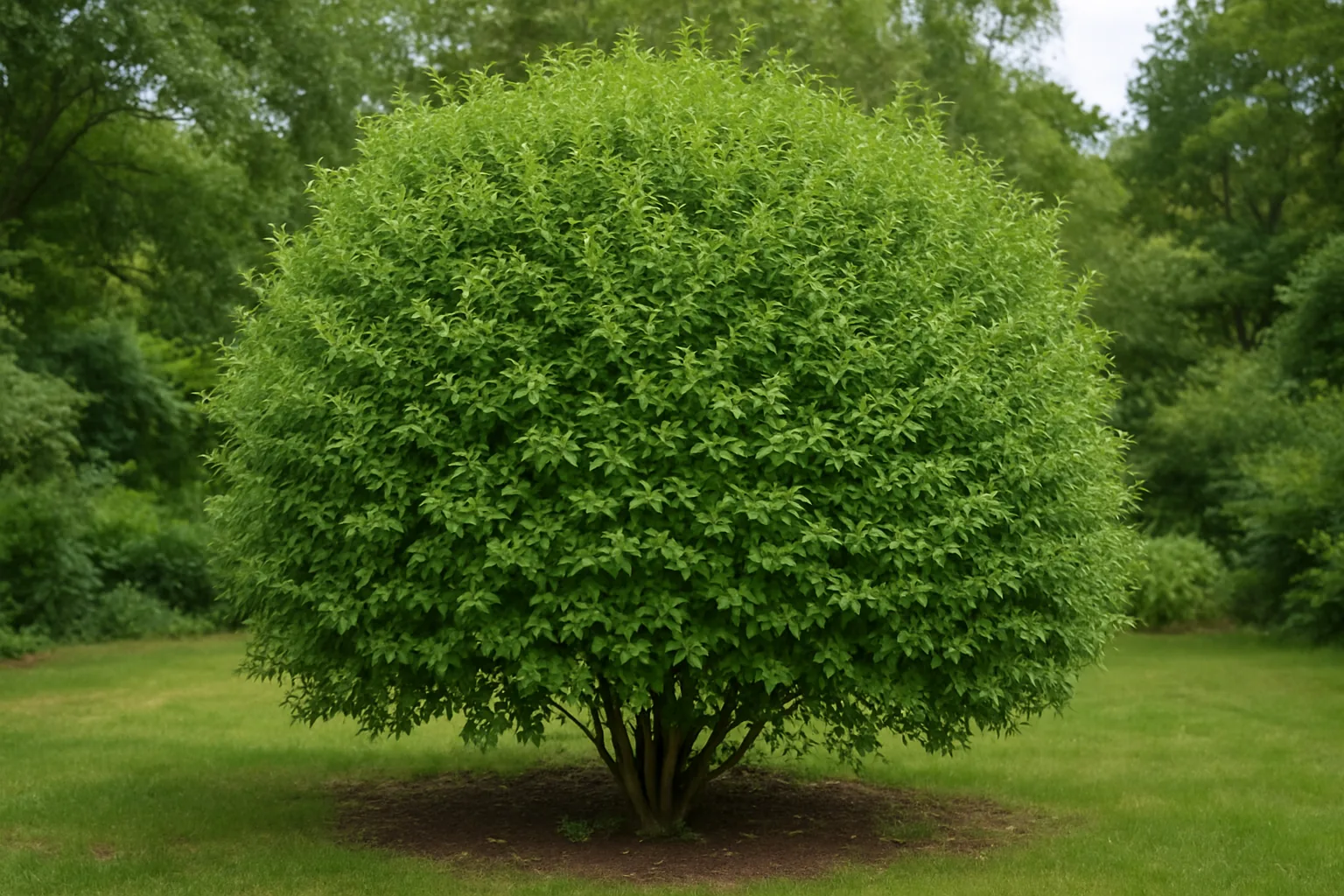
A privet hedge, or *Ligustrum*, is a popular choice for gardeners due to its dense foliage, rapid growth, and adaptability, making it ideal for privacy screens and ornamental borders.
Overview
Privet hedges are versatile shrubs favored for their dense foliage and ease of maintenance. Botanically known as *Ligustrum*, these plants are commonly used as privacy screens, windbreaks, or ornamental borders due to their rapid growth and adaptability to various conditions.
Quick Care Facts
| Requirement | Details |
|---|---|
| Sun Needs | Full sun to partial shade |
| Soil Type | Well-drained, loamy |
| Watering Needs | Moderate |
| Mature Size | 2–4 meters tall |
| Bloom/Harvest Time | Late spring to early summer |
| Hardiness Zone | 4–8 |
| Indoor/Outdoor | Outdoor |
Growing Instructions
- When and Where to Plant: Plant privet hedges in early spring or autumn. Choose a sunny to partially shaded location with well-drained soil.
- How to Plant: Dig a hole twice the width of the root ball. Place the plant in the hole, backfill with soil, and water thoroughly.
- Spacing: Space plants 0.5 to 1 meter apart to form a dense hedge.
- Watering: Water regularly during the first growing season to establish roots. Once established, privet hedges tolerate drought well.
- Fertilizing: Use a balanced fertilizer in early spring to encourage growth.
- Pruning: Prune in late winter or early spring to maintain shape and encourage bushiness.
- Seasonal Care: Apply mulch around the base to retain moisture and control weeds.
Problems & Solutions
- Yellow Leaves: Typically caused by overwatering or poor drainage. Ensure soil is well-drained and reduce watering.
- Pests: Aphids and spider mites can be managed with insecticidal soap or neem oil.
- Diseases: Leaf spot can be controlled by removing affected leaves and improving air circulation.
- Wilting: Check for root rot and improve drainage if necessary.
- No Flowers: Ensure adequate sunlight and avoid over-fertilizing.
- Root Rot: Improve soil drainage and avoid waterlogging.
Häufig gestellte Fragen (FAQs)
1. Wie oft sollte ich meine Ligusterhecke gießen?
- Während der ersten Wachstumsperiode regelmäßig gießen, danach sind sie relativ trockenheitstolerant.
2. Wann ist die beste Zeit zum Schneiden?
- Der späte Winter oder frühe Frühling ist ideal für den Schnitt.
3. Kann ich Liguster drinnen anbauen?
- Liguster sind am besten für den Außenbereich geeignet.
4. Warum werden die Blätter meiner Ligusterpflanze gelb?
- Gelbe Blätter können auf Überwässerung oder schlechte Drainage hinweisen.
5. Welche Schädlinge befallen Liguster?
- Häufige Schädlinge sind Blattläuse und Spinnmilben, die mit Insektizidseife behandelt werden können.
6. Wie fördere ich das Blühen meiner Ligusterhecke?
- Stellen Sie sicher, dass die Pflanze genügend Sonnenlicht erhält und nicht überdüngt wird.